Expanding Too Quickly
Rapid expansion often creates operational problems before the restaurant is financially prepared.
Instead, stabilize your daily income before investing in larger upgrades.

Master Bakso Simulator 2 with this complete gameplay guide. Learn how restaurant management, cooking, upgrades, progression, customers, recipes, and business expansion work together.
Table of Contents
Bakso Simulator 2 combines restaurant management, cooking simulation, business growth, and exploration into a single gameplay experience. Rather than focusing on one mechanic, the game connects multiple systems that influence each other throughout your progress. Every customer you serve, every upgrade you purchase, and every decision you make contributes to the long-term development of your restaurant.
Many new players concentrate only on preparing food quickly. However, successful progression depends on understanding how customer satisfaction, restaurant efficiency, equipment upgrades, finances, and expansion work together. Treating these systems as separate activities often slows your progress, while understanding their relationship helps you build a more successful restaurant from the beginning.
If you've just installed the game, we recommend completing the setup process first by following our How to Install Bakso Simulator 2 on Android, Firestick, Windows & More guide before exploring advanced gameplay mechanics.
Every simulation game is built around a gameplay loop-a sequence of connected actions that repeats while gradually increasing complexity. Bakso Simulator 2 follows a restaurant management loop where every completed task generates resources that can be reinvested into future growth.
A typical gameplay session follows this progression:
This cycle repeats throughout the game, but the challenges evolve as your restaurant grows. New equipment, additional customers, and expanded management responsibilities introduce fresh decisions that keep the gameplay engaging.
Understanding this loop early will help you prioritize upgrades instead of spending resources randomly.
The next major system to understand is restaurant management, where efficient organization directly affects customer satisfaction and long-term income.
Every successful restaurant in Bakso Simulator 2 begins with a small operation. At the start of the game, resources are limited, available equipment is basic, and every purchase has a noticeable impact on your future progress. Instead of trying to expand immediately, your first objective should be learning how the restaurant operates as a complete system.
Your restaurant is the central entity that connects almost every gameplay mechanic. Customers generate income, income funds upgrades, upgrades improve efficiency, and improved efficiency allows you to serve more customers. Understanding this relationship is more valuable than memorizing individual controls because it influences every stage of the game.
During your first few sessions, focus on understanding:
Players who master these fundamentals usually progress faster than those who spend their early earnings on unnecessary improvements.
If you're completely new to the game, continue with our Bakso Simulator 2 Beginner Guide after reading this article.
Customers are the primary source of income in Bakso Simulator 2. Every restaurant decision ultimately affects how efficiently customers move through your business.
A typical customer journey follows a predictable sequence:
Customer Arrives
↓
Places an Order
↓
Food is Prepared
↓
Order is Served
↓
Payment is Received
↓
Customer Leaves
↓
Restaurant Reputation Improves
When one part of this process slows down, the entire restaurant becomes less efficient. For example, delayed food preparation increases waiting times, which can reduce overall productivity during busy periods.
As your restaurant grows, customer management becomes less about individual orders and more about optimizing the complete service process.
Although Bakso Simulator 2 includes cooking mechanics, the game should not be viewed as a traditional cooking simulator.
Cooking is one component of a larger restaurant management system.
Preparing meals successfully requires balancing several interconnected factors, including ingredient availability, preparation speed, customer demand, and overall workflow.
Instead of asking:
"How do I cook faster?"
Experienced players ask:
"How can I organize my restaurant so cooking becomes more efficient?"
That shift in thinking separates basic gameplay from long-term restaurant management.
Every completed order generates income, but earning money is only part of the progression system.
The real challenge is deciding how to invest that income.
Many new players spend money as soon as it becomes available. While this provides immediate satisfaction, it often delays future expansion because important operational improvements receive lower priority.
Instead, consider each purchase as an investment.
Good investments generally improve:
The faster your restaurant becomes efficient, the faster future upgrades become available.
Not every upgrade provides the same long-term value.
Some upgrades increase visual appeal, while others directly improve restaurant performance.
Before purchasing any improvement, ask yourself three questions:
1. Will this reduce customer waiting time?
2. Will this increase daily income?
3. Will this improve restaurant efficiency?
If the answer is "yes," the upgrade usually contributes to long-term progression.
If the answer is "no," consider postponing the purchase until your business becomes more stable.
A complete explanation of progression systems is available in our Bakso Simulator 2 Features guide, where we examine how different gameplay systems support restaurant growth.
Restaurant equipment influences far more than appearance.
Rather than replacing equipment randomly, develop an upgrade sequence that supports your current stage of progression.
For example:
Basic Equipment
↓
Improved Preparation
↓
Higher Customer Capacity
↓
Faster Service
↓
Greater Daily Income
↓
Restaurant Expansion
Thinking in sequences instead of individual purchases creates a much stronger progression strategy.
Each improvement has the potential to affect:
Expansion represents one of the most rewarding milestones in Bakso Simulator 2.
As customer demand increases, your original restaurant gradually becomes less efficient.
Expansion allows you to:
However, expansion should never happen before the restaurant is financially prepared.
Growing too quickly often creates operational problems that reduce efficiency instead of improving it.
Our dedicated Bakso Simulator 2 Restaurant Guide explains how to expand sustainably while maintaining profitability.
Many players believe progression depends only on playing longer.
In reality, progression depends on making better decisions.
Successful players continuously evaluate:
Small improvements made consistently usually produce greater long-term success than expensive upgrades purchased without planning.
For that reason, every gameplay session should have a clear objective.
Examples include:
Each completed objective strengthens the next stage of progression, creating a continuous cycle of improvement rather than random gameplay.
The economy in Bakso Simulator 2 is built around a simple principle: every decision either strengthens or weakens your restaurant. Money is not only a reward for serving customers-it is the resource that unlocks future opportunities. Understanding how income flows through your business is one of the biggest differences between casual players and experienced restaurant managers.
Instead of measuring progress by the amount of money you currently have, measure it by how efficiently your restaurant converts customer orders into sustainable growth.
A healthy restaurant economy usually follows this pattern:
Customer Orders
↓
Revenue
↓
Operational Expenses
↓
Business Profit
↓
Restaurant Investment
↓
Higher Capacity
↓
More Customers
↓
Higher Revenue
This cycle repeats throughout the game. Every improvement should strengthen one or more parts of this process.
Not every purchase contributes equally to your restaurant's growth. Some upgrades improve appearance, while others increase productivity and customer satisfaction.
Before spending your earnings, evaluate whether the investment will improve one of these operational areas:
Prioritizing functional improvements before cosmetic changes creates a stronger financial foundation for later expansion.
As your restaurant grows, investment decisions become more strategic because each upgrade competes for limited resources.
Customer satisfaction influences much more than individual transactions.
Satisfied customers help create a stable business because efficient service allows more customers to be served throughout each gameplay session.
Several factors contribute to customer satisfaction:
Improving only one area while neglecting the others usually produces limited results. Successful restaurants balance every operational system instead of optimizing a single task.
As customer traffic increases, organization becomes increasingly important.
Progression in Bakso Simulator 2 is continuous rather than linear.
Instead of unlocking everything after completing a few objectives, the game gradually introduces additional responsibilities that increase both opportunity and complexity.
Players typically experience progression through:
Each milestone prepares the player for the next stage instead of acting as a final destination.
Because of this design, efficient progression depends more on decision-making than on playtime alone.
Most new players make similar mistakes during their first few hours.
Recognizing these habits early helps avoid unnecessary setbacks.
Rapid expansion often creates operational problems before the restaurant is financially prepared.
Instead, stabilize your daily income before investing in larger upgrades.
Many players focus entirely on serving customers while overlooking how the restaurant itself operates.
Improving workflow often increases productivity without requiring expensive upgrades.
A growing restaurant requires financial flexibility.
Saving resources for important upgrades usually provides greater long-term benefits than purchasing every available improvement as soon as it becomes available.
Restaurant performance depends on more than purchasing equipment.
Understanding how your equipment supports food preparation and customer service helps maintain consistent productivity throughout the game.
Once you understand the basic gameplay systems, the next step is developing a long-term strategy.
Instead of reacting to immediate situations, experienced players plan several upgrades ahead.
A strategic progression path might look like this:
Basic Restaurant
↓
Improve Workflow
↓
Increase Daily Revenue
↓
Upgrade Equipment
↓
Expand Restaurant
↓
Improve Customer Capacity
↓
Optimize Operations
↓
Unlock Advanced Gameplay
Thinking several steps ahead allows every decision to support future growth rather than solving only short-term problems.
If you're interested in long-term restaurant development, continue with our Bakso Simulator 2 Restaurant Guide, where we explain expansion strategies, operational planning, and business optimization in greater detail.
Gameplay is only one part of the complete Bakso Simulator 2 experience. As you become more familiar with the game's mechanics, you'll benefit from learning about features, upgrades, troubleshooting, and advanced strategies.
Recommended reading order:
The primary objective is to build and manage a successful bakso restaurant by serving customers, earning income, upgrading equipment, expanding your business, and improving operational efficiency over time.
No. Cooking is one part of a broader restaurant management system that also includes customer service, business management, upgrades, progression, and resource planning.
The most effective approach is improving efficiency rather than simply serving more customers. Reducing waiting times, organizing your workflow, and investing in productivity-focused upgrades usually leads to more consistent income.
Expand only after your current restaurant operates efficiently and generates stable income. Expanding too early may create management problems that reduce productivity.
If you're new to the game:
If you want to improve your business:
If you want advanced strategies:
Bakso Simulator 2 rewards thoughtful planning rather than rushed progression. Every customer served, every upgrade purchased, and every business decision contributes to the long-term success of your restaurant. By understanding how gameplay systems connect-from cooking and customer management to finances, equipment, and expansion-you can develop a stronger strategy and progress more efficiently.
This gameplay guide serves as the foundation for the rest of our knowledge base. Continue exploring the related guides to learn advanced restaurant management, discover gameplay features, improve your strategies, and build a thriving bakso business.
Download Bakso Simulator 2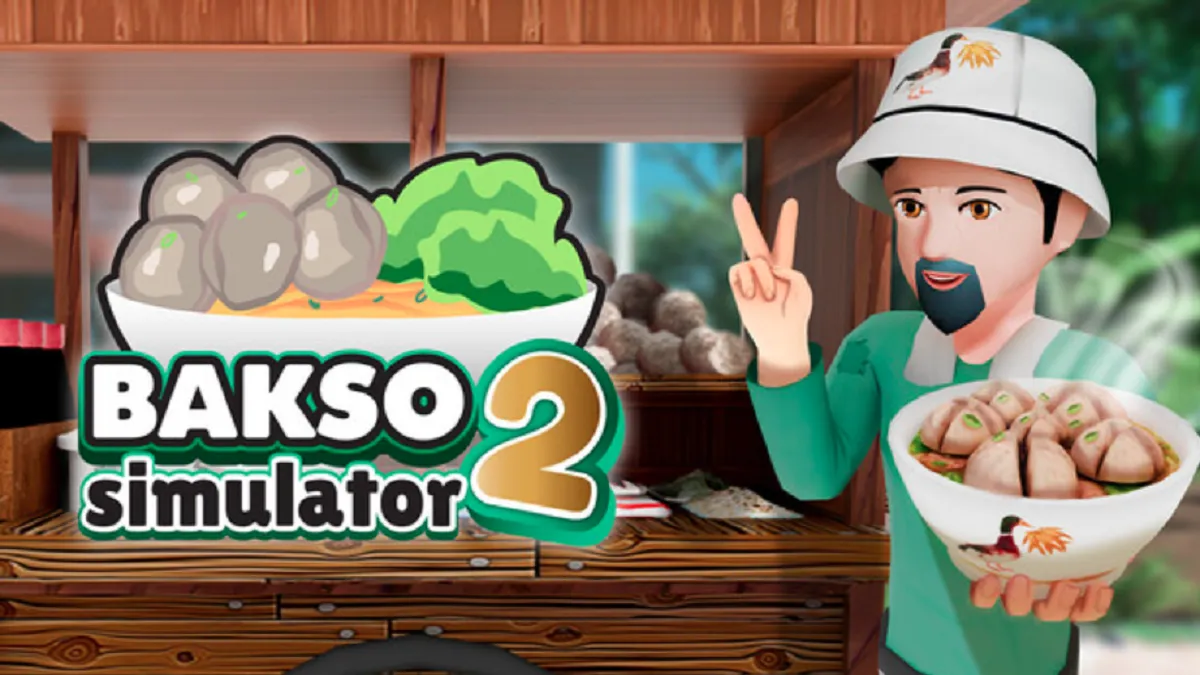
Download the latest version of Bakso Simulator 2 safely. Learn where to download the game for Android, Windows PC, iPhone, Mac, Firestick, and Android TV, along with installation tips, version information, and troubleshooting.
Learn how to install Bakso Simulator 2 on Android, Windows PC, macOS, Firestick, Android TV, and other compatible devices. Follow step-by-step installation instructions, fix common installation errors, and prepare your device for smooth gameplay.
Learn how to download and install Bakso Simulator 2 on Android. Check Android compatibility, system requirements, installation methods, updates, troubleshooting, and gameplay tips.