
Bakso Simulator 2 Money Guide: How to Earn Coins Fast
Learn how to make money fast in Bakso Simulator 2 with pricing, serving speed, upgrade priorities and daily routines that grow your bakso restaurant income steadily.

A Bakso Simulator 2 pricing guide covering how menu prices affect customers, when to raise or lower prices, and how to find the price that earns the most each day.
Table of Contents
Customers in Bakso Simulator 2 judge a price against the dish in front of them. A cheap bowl of plain quality feels fair, an expensive bowl of the same quality feels like a trap, and a fairly priced bowl made with good ingredients feels like a discovery. When the judgement is positive, customers stay, order and return. When it is negative, they leave quietly and your tables empty no matter how good your cooking is.
It also helps to think about menu pricing as part of the whole restaurant loop rather than a separate trick. Cooking, serving, pricing and restocking all feed into each other in Bakso Simulator 2, and the players who progress fastest are usually the ones who keep those parts in balance instead of pushing one of them to an extreme.
The sweet spot is the highest price at which a dish still sells at full speed. Find it by raising the price of one dish slightly, playing a full day, and watching both sales and earnings. If sales hold, the new price is safe. If the dish slows down, step back one level. Test one dish at a time so you always know which change caused which result.
Progress in Bakso Simulator 2 is saved in small steps, so consistency beats intensity. Ten focused minutes spent on menu pricing every session add up to a visibly stronger restaurant within a week, while one long unfocused session usually ends with money spent in the wrong places and nothing learned about your customers.
In practice:
Prices are safest to raise right after something visible improves: better ingredients, a new recipe, faster equipment or a nicer stall. Customers accept paying more when they can see why. Raising prices on an ordinary day, with nothing improved, is the change most likely to backfire. The pattern used by strong players is improve first, price second, which is also the order followed in our Bakso Simulator 2 recipes and ingredients guide.
Your device matters less than your routine here. Whether you play Bakso Simulator 2 on Android or on a Windows PC, the same menu pricing principles apply, because the game reads your decisions, not your hardware. Set a goal before you open the game, work on that one goal, and review the result before you close it.
A cheaper dish that sells all day can out-earn an expensive dish that sells twice. Lowering the price of a slow dish clears stock before it spoils, fills empty seats and can lift the sales of everything else on the menu through a busier, happier room. Think of a price cut as buying customer flow, and judge it by the day's total earnings rather than by that dish alone.
A useful habit is to check the numbers the game already shows you. Your daily earnings, your stock levels and your customer feedback in Bakso Simulator 2 are a free report on how menu pricing is going. Read them before you change anything, change one thing at a time, and read them again on the next in-game day.
Launch new dishes at a friendly price, even slightly below where you expect them to settle. Early sales build the dish's momentum and teach you how customers rate its quality. Once a new dish has regular buyers, walk its price up in small steps toward its sweet spot. Launching high and discounting later teaches customers to wait for sales instead of buying.
New players often look for a single secret, but Bakso Simulator 2 is built around stacking small advantages. menu pricing done reasonably well, combined with fair prices, fresh ingredients and steady upgrades, outperforms any one clever trick that ignores the rest of the restaurant.
Once a week, review each dish with three questions: did it sell out, did it sit unsold, and did it earn its place? Dishes that sell out early can rise slightly. Dishes that sit should drop or improve. Dishes in the middle stay untouched. This ten-minute routine keeps your whole menu near its sweet spot without constant fiddling, and it pairs well with the money habits in our money guide.
If something stops working, do not rebuild everything at once. Return to the last setup in Bakso Simulator 2 that earned well, repeat it for a day, and only then adjust a single variable. That calm, test-based approach is how experienced players handle menu pricing without wasting their savings.
If a dish sells noticeably slower than the rest of the menu while similar dishes move well, its price is usually the problem. Lower it one step and watch the next day.
Neither extreme wins. The best price is the highest one at which the dish still sells at full speed, which you find by small tests rather than by guessing.
Right after a visible improvement such as better ingredients, a new recipe or faster equipment. Customers accept higher prices when they can see what improved.
Pricing in Bakso Simulator 2 is a conversation with your customers, carried out one small adjustment at a time. Test honestly, improve before you raise, and let full tables tell you when a price is right.
A useful habit is to check the numbers the game already shows you. Your daily earnings, your stock levels and your customer feedback in Bakso Simulator 2 are a free report on how menu pricing is going. Read them before you change anything, change one thing at a time, and read them again on the next in-game day.
If something stops working, do not rebuild everything at once. Return to the last setup in Bakso Simulator 2 that earned well, repeat it for a day, and only then adjust a single variable. That calm, test-based approach is how experienced players handle menu pricing without wasting their savings.
Download Bakso Simulator 2Learn how to make money fast in Bakso Simulator 2 with pricing, serving speed, upgrade priorities and daily routines that grow your bakso restaurant income steadily.
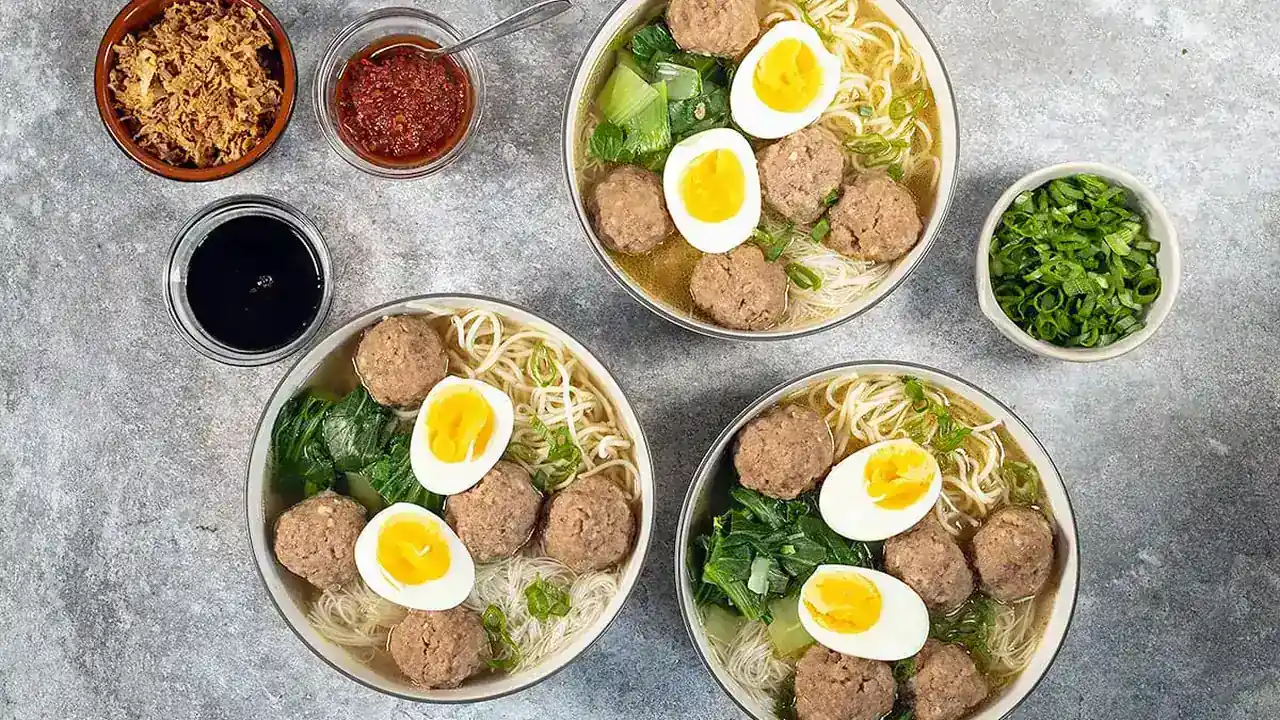
Explore Bakso Simulator 2 recipes and ingredients: how dishes are built, why ingredient quality matters, and how to plan a menu your customers keep coming back for.
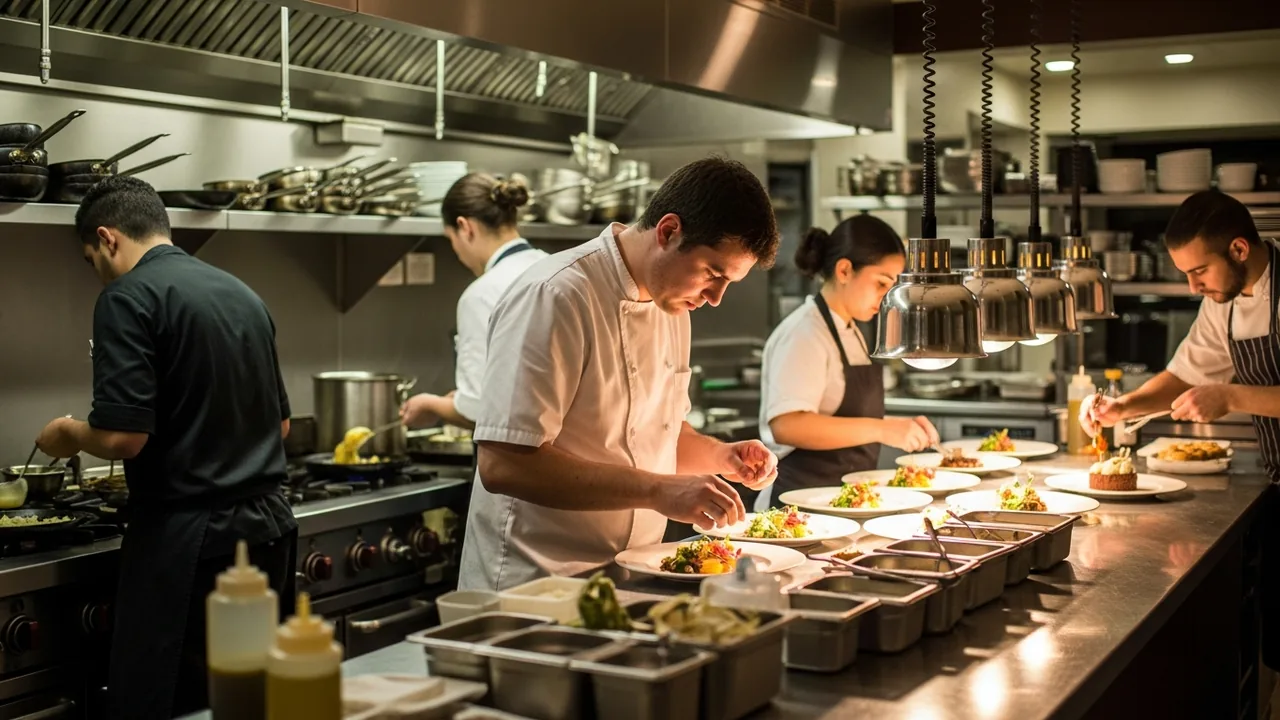
How staff work in Bakso Simulator 2: when to hire your first helper, which roles matter most, and how a small team keeps your restaurant fast and profitable.