
Bakso Simulator 2 Money Guide: How to Earn Coins Fast
Learn how to make money fast in Bakso Simulator 2 with pricing, serving speed, upgrade priorities and daily routines that grow your bakso restaurant income steadily.

A complete Bakso Simulator 2 restaurant guide: the daily routine of opening, serving, restocking and closing that turns a small bakso stall into a thriving business.
Table of Contents
Guides usually teach one system at a time, but a restaurant is all of its systems at once, moving through a day. This Bakso Simulator 2 restaurant guide is the operations manual: the full daily routine, from opening checks to closing review, that the individual guides on this site plug into.
Use it as your default day. The money guide tunes your earnings, the pricing guide tunes your menu, and the staff and upgrades guides tune your capacity, but this page is the timetable they all serve. Players opening their very first stall should begin with the Bakso Simulator 2 beginner material on this site, then adopt this routine from day two onward.
A routine sounds dull until you notice what it buys: no forgotten restocks, no rush-hour surprises, no coins leaking through small daily neglect. Professional stalls are not more talented; they are more scheduled.
The first service sets the day's tone. Serve promptly, keep the staple dishes flowing and watch which items move fastest while the day is young; that early signal predicts the lunch rush. If a dish surprises you by selling out early, note it for tomorrow's stock rather than mourning it today. Momentum in this game is just information plus preparation, gathered one morning at a time.
New players often look for a single secret, but Bakso Simulator 2 is built around stacking small advantages. running your restaurant day to day done reasonably well, combined with fair prices, fresh ingredients and steady upgrades, outperforms any one clever trick that ignores the rest of the restaurant.
In practice:
When the rush arrives, your only jobs are cooking, serving and keeping the queue visibly moving, the trio our Bakso Simulator 2 customers guide shows customers actually judge. Everything else, restocking, exploring, reorganising, waits for the quiet after. Staff and equipment earn their cost in these minutes, and your preparation in the morning decides whether the rush feels like a harvest or a flood.
If something stops working, do not rebuild everything at once. Return to the last setup in Bakso Simulator 2 that earned well, repeat it for a day, and only then adjust a single variable. That calm, test-based approach is how experienced players handle running your restaurant day to day without wasting their savings.
The quiet afternoon is the workshop of your restaurant. Restock what the rush consumed, fix the small problem you noticed during service, and make the day's one improvement: a price step, a small upgrade, a menu change. Afternoons are also the safe window for map errands and quest trips, because the stall can spare you and the evening crowd has not yet formed.
Finally, remember that Bakso Simulator 2 is a long game. Your stall grows over many in-game days, and running your restaurant day to day is one of the skills that quietly compounds in the background. Players who treat it as a steady practice, rather than a one-time fix, end up with the restaurants everyone else asks about.
Evening service runs on the afternoon's preparation, and closing is a two-minute review, not a collapse. What sold out, what sat, what did the day earn against its goal, and what is tomorrow's first job? Write the answers down in your head as you close. This tiny review, repeated daily, is the difference between players who feel the game is random and players who feel, correctly, that they are running something.
Like every system in Bakso Simulator 2, running your restaurant day to day rewards players who watch cause and effect instead of guessing. A change that looks small, such as adjusting one habit for a single in-game day, shows up quickly in your earnings, your customer flow and your reputation, so treat each day as a small experiment and keep what works.
Once a week, step back from days to the business. Review prices with the pricing guide's routine, check the upgrade order against your current bottleneck, and look at your reputation trend. Weekly reviews catch the slow drifts daily reviews miss: a dish quietly dying, costs creeping, a neighbourhood changing around your stall. A restaurant run on daily routines and weekly reviews grows almost boringly reliably, which in business is the highest praise there is.
It also helps to think about running your restaurant day to day as part of the whole restaurant loop rather than a separate trick. Cooking, serving, pricing and restocking all feed into each other in Bakso Simulator 2, and the players who progress fastest are usually the ones who keep those parts in balance instead of pushing one of them to an extreme.
Open with stock, menu and quest checks, build momentum in morning service, protect the queue through the rush, restock and improve in the afternoon, then close with a two-minute review.
In the quiet windows: shopping before opening and errands in the afternoon. Never leave the stall for chores during the rush, when your presence earns the most.
Daily closing reviews catch immediate problems, and a weekly review handles prices, upgrade order and reputation trends. The two rhythms together keep the whole business tuned.
Running a Bakso Simulator 2 restaurant is a rhythm, not a series of emergencies. Open with checks, serve with focus, improve in the quiet and review at closing, and the business grows itself.
Finally, remember that Bakso Simulator 2 is a long game. Your stall grows over many in-game days, and running your restaurant day to day is one of the skills that quietly compounds in the background. Players who treat it as a steady practice, rather than a one-time fix, end up with the restaurants everyone else asks about.
It also helps to think about running your restaurant day to day as part of the whole restaurant loop rather than a separate trick. Cooking, serving, pricing and restocking all feed into each other in Bakso Simulator 2, and the players who progress fastest are usually the ones who keep those parts in balance instead of pushing one of them to an extreme.
Download Bakso Simulator 2Learn how to make money fast in Bakso Simulator 2 with pricing, serving speed, upgrade priorities and daily routines that grow your bakso restaurant income steadily.
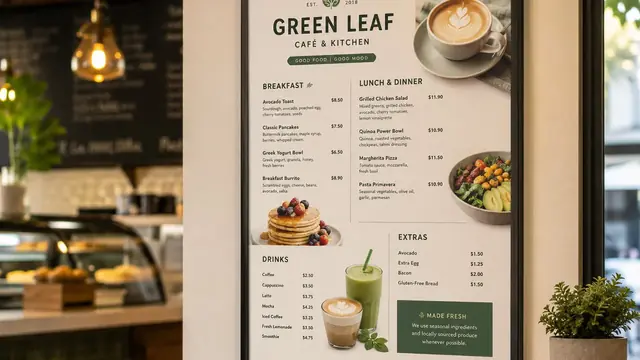
A Bakso Simulator 2 pricing guide covering how menu prices affect customers, when to raise or lower prices, and how to find the price that earns the most each day.
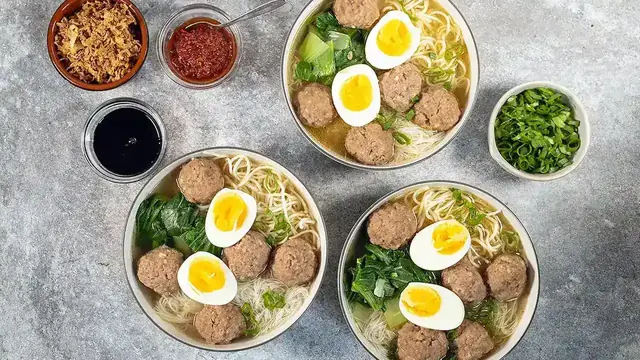
Explore Bakso Simulator 2 recipes and ingredients: how dishes are built, why ingredient quality matters, and how to plan a menu your customers keep coming back for.